
Fractional CO₂ laser machine buying guide
The questions a practice can put to any fractional CO₂ laser seller before signing, grouped by where the answer will show up: in the room, on the quotation, or on the service call.
What is a fractional CO₂ laser?
A CO₂ laser produces far-infrared light at a wavelength of 10.6 microns from a sealed tube of carbon dioxide gas mixture, excited by an electrical discharge. It is an ablative laser: it vaporizes tissue at the surface.
In fractional mode the beam is divided by a scanner into an array of micro-spots. Each spot ablates a narrow column of tissue and the untreated skin around it is left in place, which shortens healing compared with removing the whole surface. Some systems also run a non-fractionated surgical mode for incision, excision and vaporization, as Selene does through its surgical tip.
The differences between systems sit less in that principle than in the parts around it: the tube, the cooling, the tips, and who installs and services the machine.
Questions about the laser source
How is the tube excited, and is it sealed?
A sealed, radiofrequency-excited tube has no gas to refill. Ask for the tube's rated hours of use and whether a tube replacement falls inside the service term or is billed separately.
How is it cooled?
An air-cooled system needs no chiller and no water line. The heat still goes into the room: one operator manual puts the laser's output to the room at about 1,500 watts and asks for air conditioning sized to match, with the room held near 70 °F.
What circuit does it need?
Ask for the input voltage, the breaker rating and whether a dedicated circuit is recommended. For comparison, the Selene operator manual lists 100 to 240 V AC at 50 to 60 Hz on a 10 A breaker.
How does energy reach the handpiece?
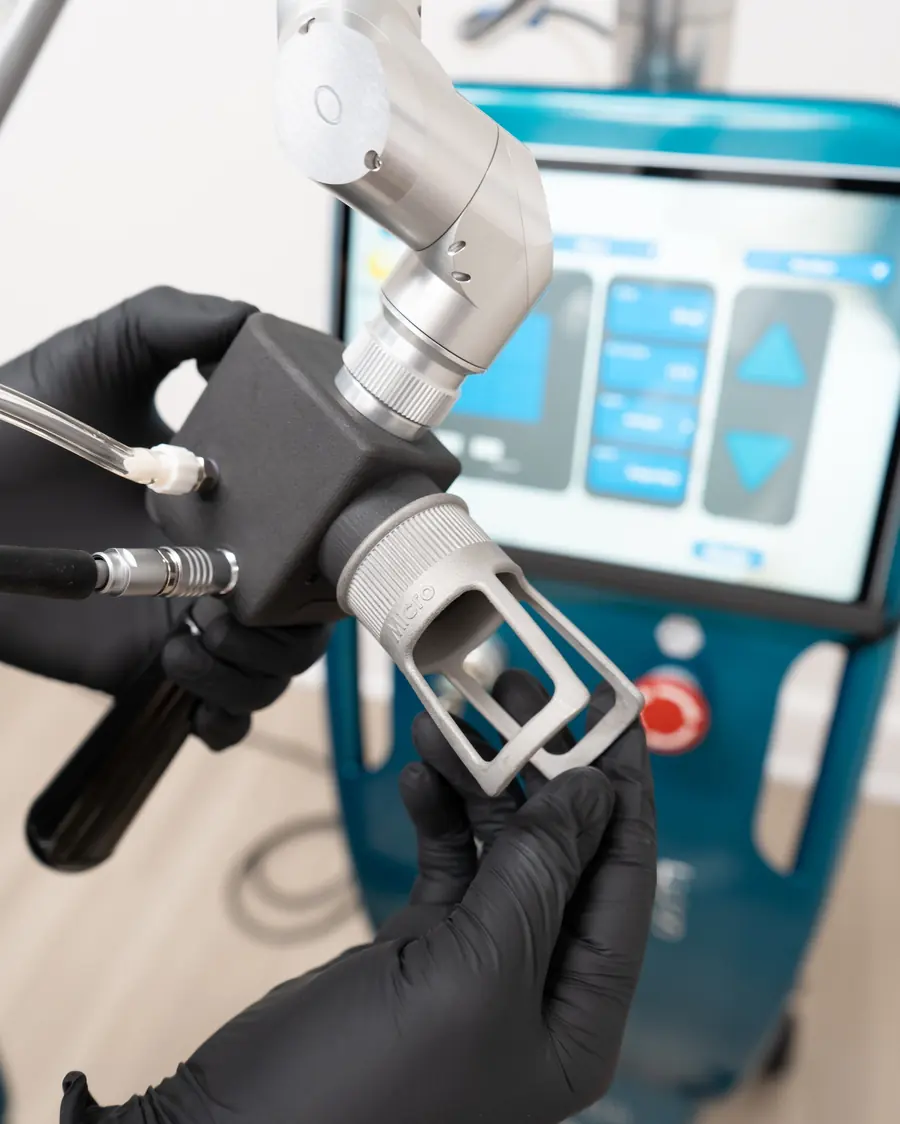
CO₂ light is delivered through a mirrored articulated arm, not a fiber. Check the arm's working radius against the layout of the treatment room and where the chair sits.
Questions about tips and modes
The tips decide which treatments the machine can carry. Ask for the list in writing, with what is included and what is an option.
Which tips come with the system?
Fractional tips vary in the size of the treated spot and the area they cover; a surgical tip delivers a focused, non-fractionated beam. A system that ships with both covers resurfacing and surgical work from one cabinet.
Are the tips reusable?
Metal tips and spacers can be cleaned with water and detergent and, where the manual allows, autoclaved. Disposable tips or windows become a per-treatment cost; ask for the price and the replacement interval.
What can be set per patient?
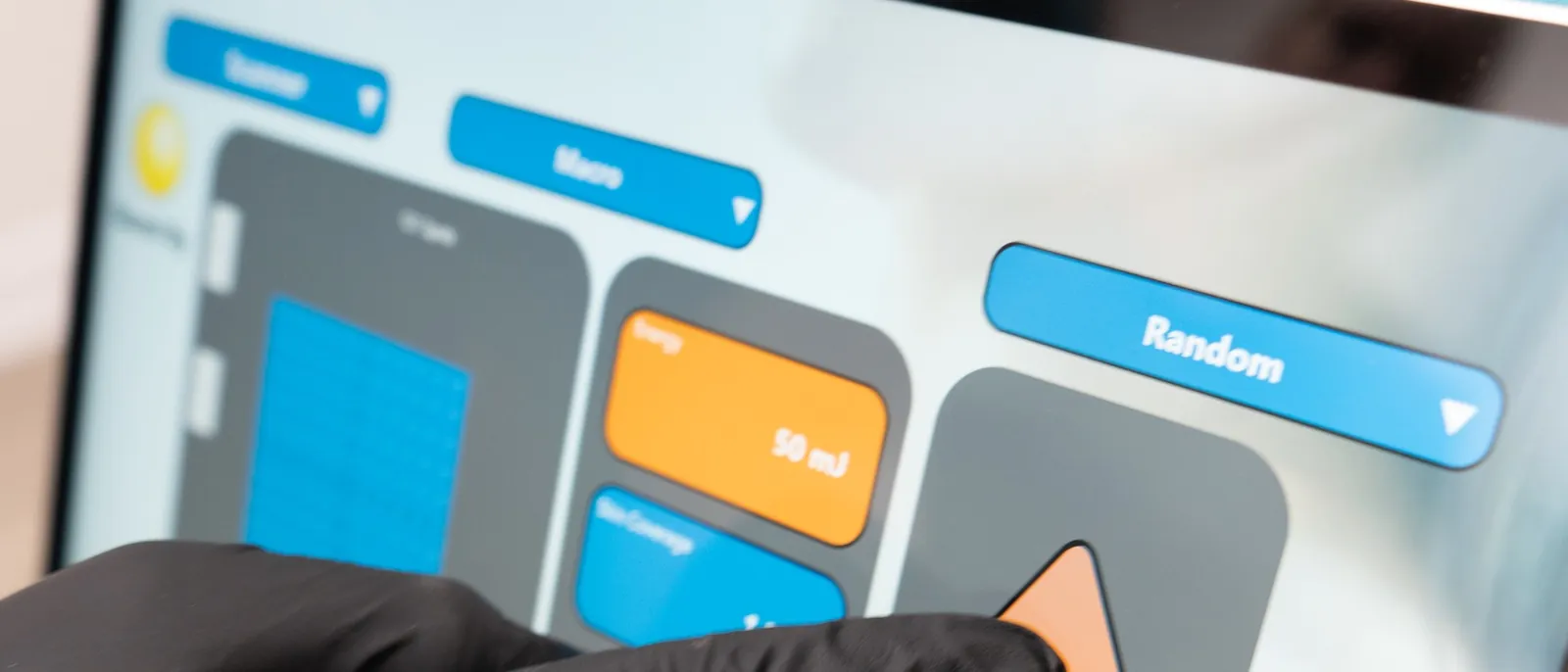
Look for independent control of energy per spot, density or spacing, pattern and treated area. Those settings are what let one operator run a light pass and a surgical pass on the same machine.
What are the cleared indications?
Ask for the indications for use in the labeling, for both fractional and surgical modes. They set what the system can be marketed for and should match the treatments you plan to offer.
 Micro
 Macro
 Face
 Surgical
Questions about the treatment room
A fractional CO₂ system is a Class IV laser. The room questions come with the purchase, whichever system you choose.
Safety requirements
Every person in the room wears approved eye protection while the laser is active, doors, curtains and windows are closed or blocked, and the number of people present is kept to a minimum. Where no local standard applies, operator manuals point to ANSI Z136.1. An external interlock that stops the laser when the door opens is an option to ask about.
Who may operate it
Operator manuals separate authorized service personnel, trained operators who aim and fire the laser, and assisting staff who may be present but do not fire it. Which of your staff can be trained operators follows your state's rules on scope of practice and delegation.
Plume
Ablation produces smoke. Budget for a medical-grade smoke evacuator and ask how often its filter is replaced, since that filter is a recurring cost.
Site survey
Electrical, cooling and door arrangements depend on the building. A seller who surveys the room before delivery can tell you what has to change before the invoice, not after.

Questions about installation, training and service
Who installs and calibrates it?
Ask whether installation is done by the seller's own staff or a third party, and whether calibration is included.
How is training delivered?
Ask where training takes place, who attends, whether it is hands-on with your staff, and who answers clinical questions after the first patient.
Who takes the service call?
Ask which number you call when the system will not fire, what hours it is answered, and whether the person who answers can see your configuration.
What does the service term cover?
Ask for the term in writing: parts, labor, travel, the articulated arm and the tube. Operator manuals warn that unauthorized service or modification can void the service warranty, so confirm who is authorized to work on the system.
Should a practice buy a used fractional CO₂ laser?
Used and refurbished systems are sold through resellers. The questions are the same as for a new system, with four more.
- Service history. Ask for the records, including tube hours and arm repairs.
- Authorized service. Ask whether the manufacturer or an authorized provider will still service the unit, and at what rate.
- Warranty. Ask whether any warranty transfers, and whether past third-party service has voided it.
- Training and tips. Ask whether training is included and which tips come with the unit.
What should an itemized quotation list?
Fractional CO₂ prices are rarely published, so the quotation is where systems are compared. A complete one shows each of these on its own line.
| Line | What to check |
|---|---|
| Device | Model, configuration and the labeling it ships with |
| Tips | Which are included, which are options, reusable or disposable |
| Consumables | Per-treatment items and their prices, including evacuator filters |
| Installation | Site survey, delivery, setup and calibration, and who performs them |
| Training | Where, for whom, and how many sessions |
| Service | Term, what it covers, response hours and who answers |
| Room and safety | Eyewear, signage, interlock and smoke evacuation |

Hyperion Medical quotes Selene line by line in this form. Request a Selene quotation →
Asked and answered
How much does a fractional CO₂ laser cost?
Prices for fractional CO₂ systems are usually quoted rather than published, because the tips, training and service term chosen change the total. Compare quotations line by line: device, tips, consumables, installation, training, service, and room and safety items.
Does a fractional CO₂ laser need water cooling?
Not always. Systems with a sealed radiofrequency-excited tube can be air cooled, with no chiller or water line. The room still needs air conditioning sized for the heat the laser gives off.
What electrical supply does a fractional CO₂ laser need?
It depends on the system. The Selene operator manual lists 100 to 240 V AC at 50 to 60 Hz on a 10 A breaker. Ask each seller for the same figures and whether a dedicated circuit is recommended.
Who can operate a fractional CO₂ laser?
Operator manuals require trained operators and limit who may aim and fire the laser. Which staff in your practice can be trained operators depends on your state's rules on scope of practice and delegation.
Keep reading
Selene fractional CO₂
The system this guide was written around: four tips, air cooled, sold and serviced direct.
Fractional CO₂ skin resurfacing
Who the treatment suits, who it does not, and the first weeks of recovery.
Early surgical scar treatment
Eight published studies on treating incisions with fractional CO₂ in the first month.