
Fractional CO₂ laser skin resurfacing: a guide for providers
Who the treatment is indicated for, who should not be treated, how to prepare the patient, and what the first weeks of recovery look like. Drawn from the operator manual and the patient instructions supplied with the system.
What is fractional CO₂ indicated for?
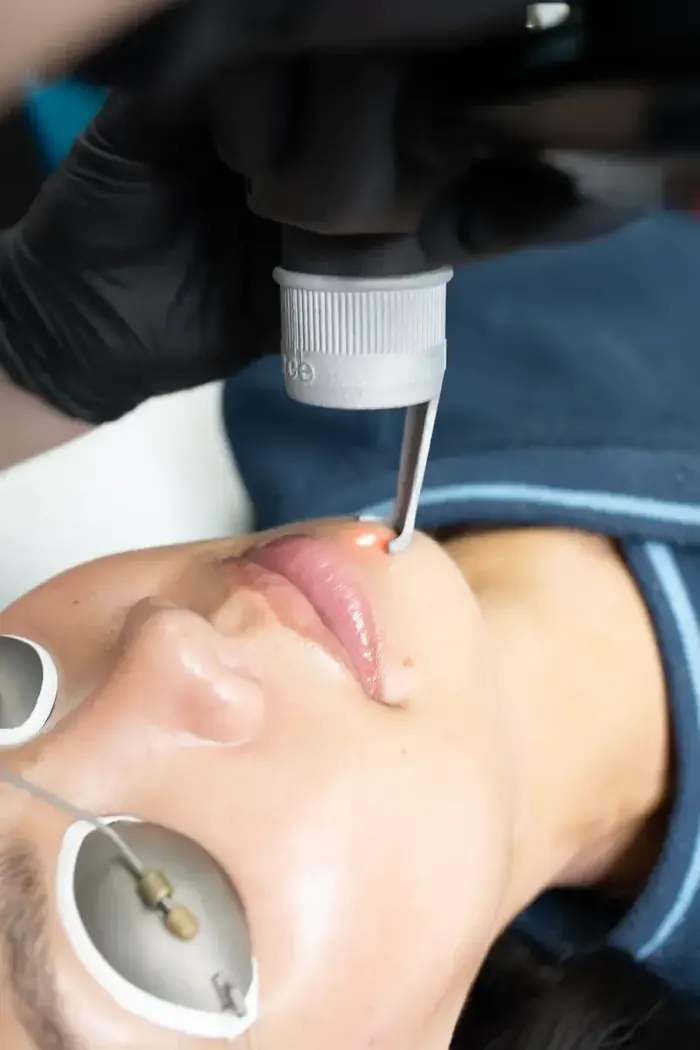
The operator manual lists two indications for use. In fractional mode, the laser is indicated for ablative skin resurfacing. In surgical, non-fractionated mode, it is indicated for incision, excision, ablation, vaporization and coagulation of body soft tissues, including intraoral tissues, across dermatology and plastic surgery, otolaryngology, gynecology, urology, neurosurgery, dental and oral surgery, and genitourinary surgery.
Resurfacing patients are treated in fractional mode, with the beam ablating an array of micro-spots and leaving the skin between them untreated. More than one session may be needed, and the consent template tells the patient that no percentage of improvement is guaranteed.
Who should not be treated?
The operator manual lists these contraindications for the system.
- Unrealistic expectations, such as complete removal of wrinkles or scars
- A tendency to form keloid or hypertrophic scars
- Isotretinoin within the previous six months
- Active bacterial skin infection or herpes simplex in the treatment area
- Prior ionizing radiation to the treatment area
- Connective tissue disease
- A previous deep chemical peel or dermabrasion
- Fitzpatrick skin types V and VI
- HIV or hepatitis C infection

The consent template supplied with the system adds anticoagulant use, a compromised immune system, pregnancy and skin cancer in the treatment area, and uses a one-year window for isotretinoin rather than six months. Where the two differ, follow the stricter one and your current labeling.
How should the patient prepare?
The manual's pre-treatment page is written to be copied and given to the patient, with a consent form to adapt to your practice.
One week before
No sun exposure for at least a week, broad-spectrum SPF 30 sunscreen, and any spray tan exfoliated off the area.
Cold sores
Patients with a history of cold sores tell the practice in advance; the clinician may prescribe an antiviral to start before treatment.
The day before
Stop irritating skin products at least a day ahead, and fill any post-treatment prescriptions so they are ready.
Treatment day
A light breakfast, clean skin with no makeup or lotions, contact lenses out, loose clothing, and someone else to drive home.
What does recovery look like?
The timeline in the post-treatment instructions, in the order the patient will see it.
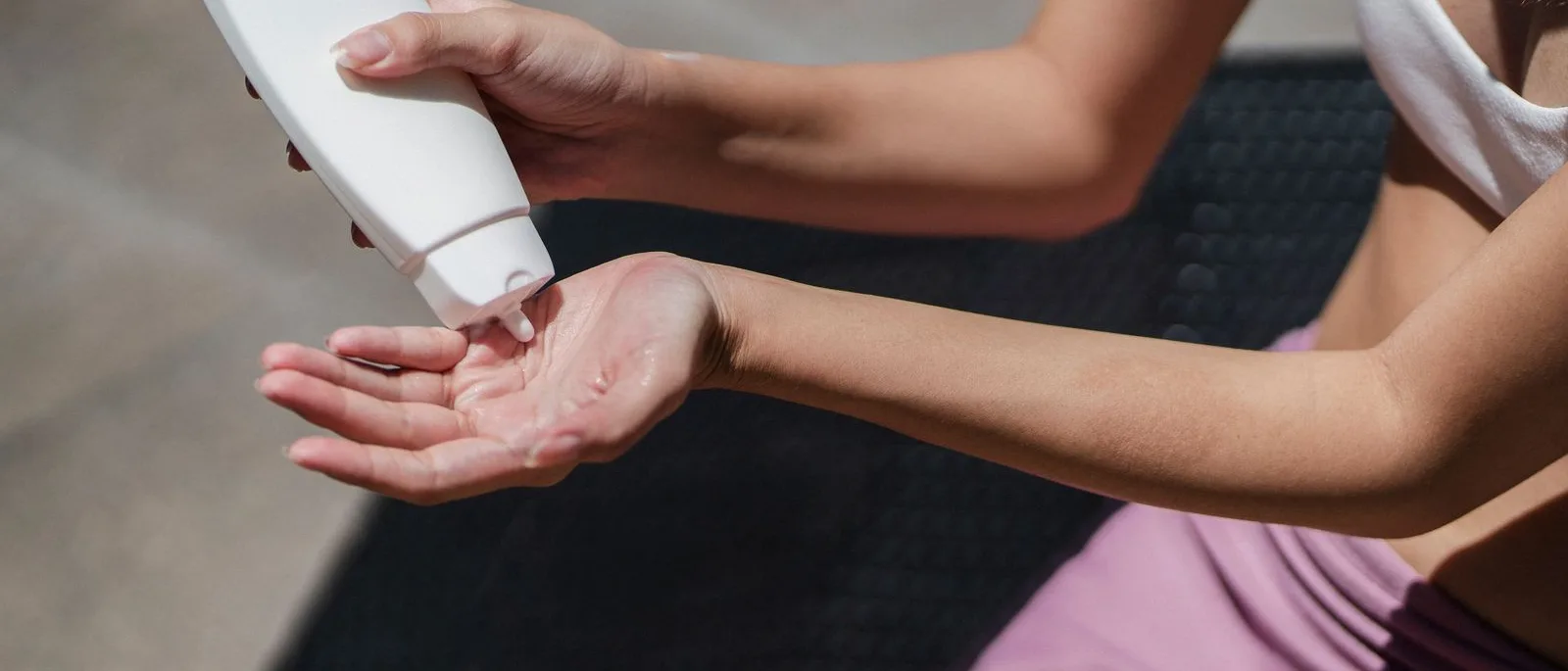
- First hoursThe treated skin feels sunburned and looks red. It is cleaned and a post-laser cream applied; cold compresses help. The burning feeling usually passes within a few hours.
- First 48 hoursSome oozing is expected. The patient blots it with a clean soft cloth and reapplies the cream, does not rub or scratch, and sleeps propped up if the face, neck or chest was treated.
- First weekNo strenuous exercise, alcohol or sauna, which raise blood flow and redness, and no direct sun. Washing starts the next morning or when the clinician says, with lukewarm water and no soap.
- While it healsThe new skin looks bronzed and peels. Flaking skin is left to shed, not picked. No makeup, sunscreen or other products until the skin has fully healed.
- About a week after healingThe clinician starts a skin care program, and daily sunscreen from then on.

What risks does the patient consent to?
Listed in the consent template
Scarring, pigment changes, infection, swelling and prolonged redness of the treated skin. The template also covers anesthesia risks where anesthesia is used, eye protection during treatment, and the possibility that more than one session will be needed.
Settings and responsibility
Higher energy may improve results but raises the risk of complications and inflammation. The operator manual places the choice of settings and exposure with the operator, for each treatment area and patient.
Asked and answered
How long is the downtime after fractional CO₂ laser resurfacing?
The post-treatment instructions describe a sunburned feeling for a few hours, oozing for up to 48 hours, a week without strenuous activity, alcohol, sauna or sun, and then bronzed, peeling skin until it has fully healed. A skin care program starts about a week after healing.
Can darker skin types be treated with fractional CO₂?
The operator manual lists Fitzpatrick skin types V and VI as a contraindication for the system.
What should a patient avoid after treatment?
Sun for at least a week, strenuous exercise, alcohol and sauna in the first week, rubbing, scratching or picking the skin, soaps, and makeup or other skin products until the skin has fully healed.
Is more than one treatment needed?
It can be. The consent template tells the patient that more than one fractional resurfacing treatment may be necessary and that no percentage of improvement is guaranteed.
Keep reading
Selene fractional CO₂
Four tips, energy set per micro-spot, and training in your room before the first patient.
Early surgical scar treatment
Treating incisions in the first month: timing, eligibility and the trials.
Fractional CO₂ laser buying guide
Laser source, cooling, power, tips, room safety and the quotation.