Hyperion Medical (877) 275-8760 Book a demo
Capital equipment · Selene by Focus

Selene fractional CO2 laser

A radiofrequency-excited CO2 platform on a mobile cart with an articulated arm. Energy is set per micro-spot, pattern and treated area are chosen independently, and four interchangeable tips take one machine from a light textural pass to a focused surgical one.

10,600 nmWavelength
120 µmSmallest micro-spot
FourInterchangeable tips
MultipleScanning modes
USABuilt in Connecticut
Overview

What is a fractional CO2 laser for?

Ablative CO2 is the tool for structural problems: rhytides, atrophic acne scarring, textural change a surface treatment cannot reach. Selene delivers that ablation fractionally, so the depth is available without committing the patient to the recovery a continuous pass would demand.

Range of use

Range. The same system covers a superficial, high-density pass on a Tuesday and a deep scar-revision protocol on a Thursday, with a tip change and a different preset in between.

What it costs the patient

Recovery from fractional CO2 is conventionally described in the literature as five to ten days. Consent, aftercare and scheduling should be built around that from the beginning. The documentation to do it ships with the system.

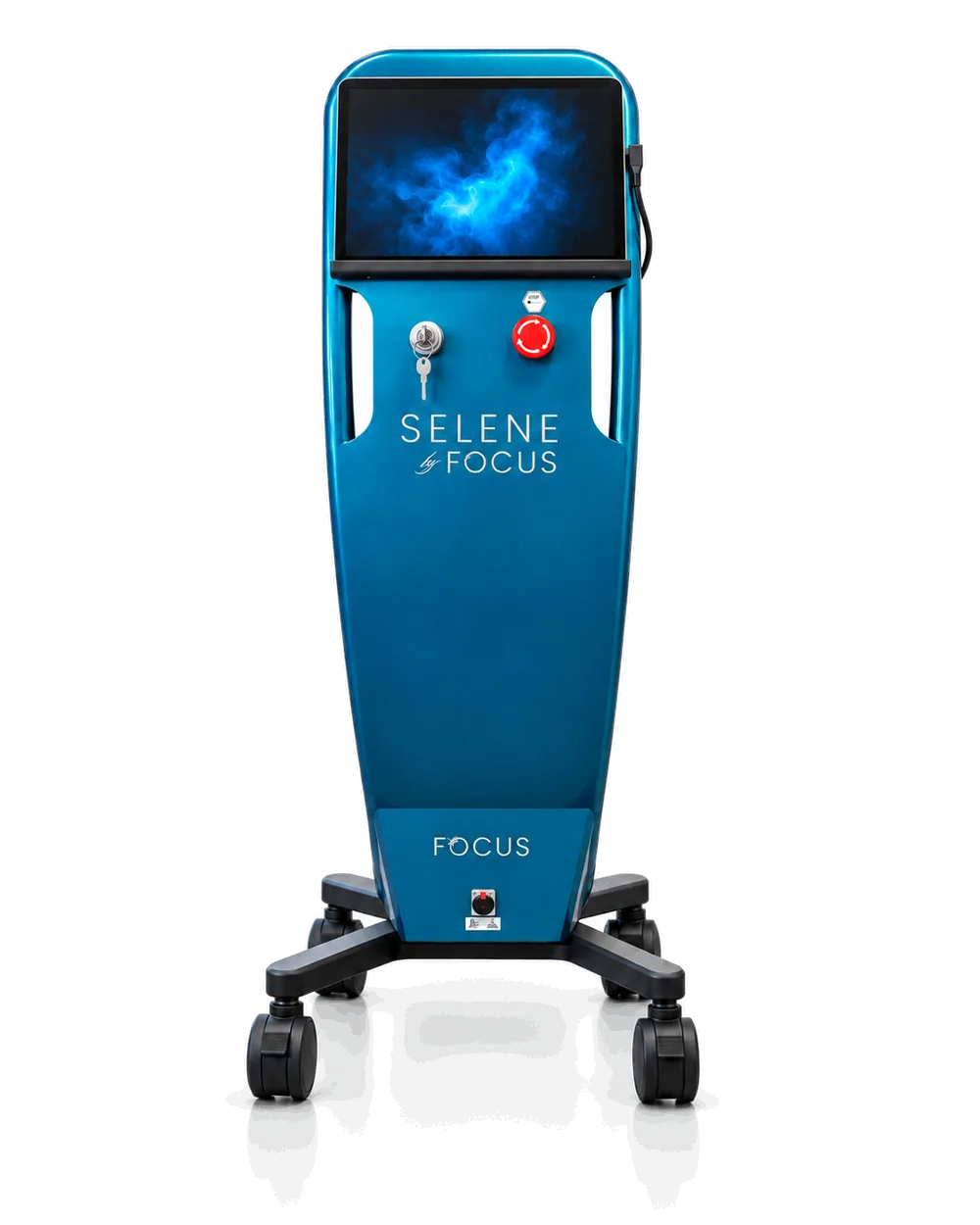
The Selene fractional CO₂ laser on its mobile cart, front view
The Selene fractional CO2 system.
Technology

Why the untreated skin matters more than the treated skin

A full-field CO2 pass ablates a continuous sheet of tissue, and everything has to heal inward from the margin of a single wound. Fractional delivery changes the geometry rather than the wavelength: the beam is divided into microbeams that land as discrete columns, each roughly the width of a hair.

Between every column sits a bridge of tissue that was never touched: intact epidermis, intact vasculature, intact adnexal structures. Those bridges are the mechanism. Re-epithelialization advances from thousands of nearby edges at once rather than creeping in from a perimeter, so a column can be driven deeper than a continuous ablation would safely allow and the surface still closes quickly.

01

Divide the beam

Radiofrequency excitation, then the energy is split into microbeams that treat discrete micro-spots down to 120 microns.

02

Set the column

Energy is adjustable at the level of the individual micro-spot, so the same tip behaves differently on a forehead and on a cheek.

03

Choose the coverage

Pattern and treated area are selected independently of energy. Density decides how much intact tissue is left to do the repair.

The dial is coverage, not depth

The setting to understand is coverage: how much of the surface you treat in a pass determines how quickly it closes.

Tips

Four tips, changed at the handpiece

Each tip shifts what the machine is good at, and swapping takes seconds. Pattern, area and energy are set independently of the tip, so a protocol built for one region can be adjusted rather than rebuilt.

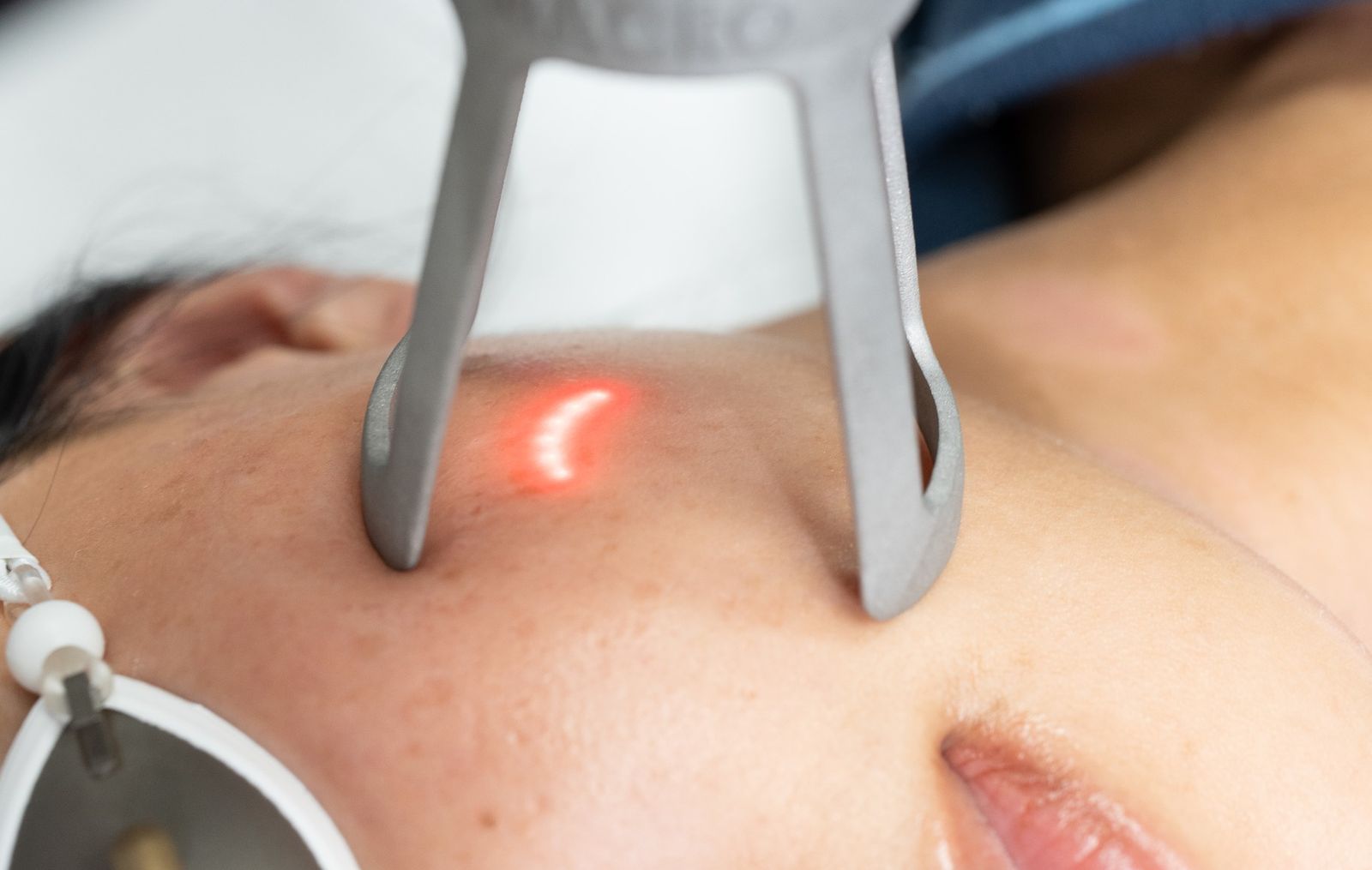
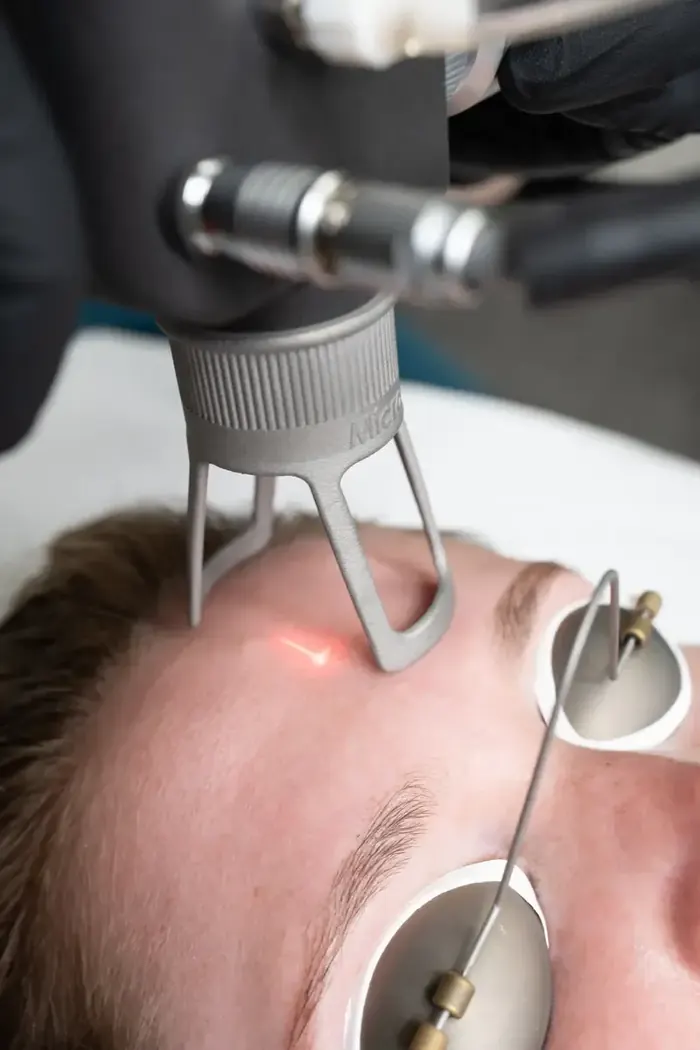
Selene Micro tip during a fractional CO₂ pass on a patient's forehead
The default

Micro

The traditional microspot for fractional resurfacing. Small enough to keep healing time down while still allowing deeper ablation.

Reach for it when the case is about depth: scarring, established rhytides, anything structural.
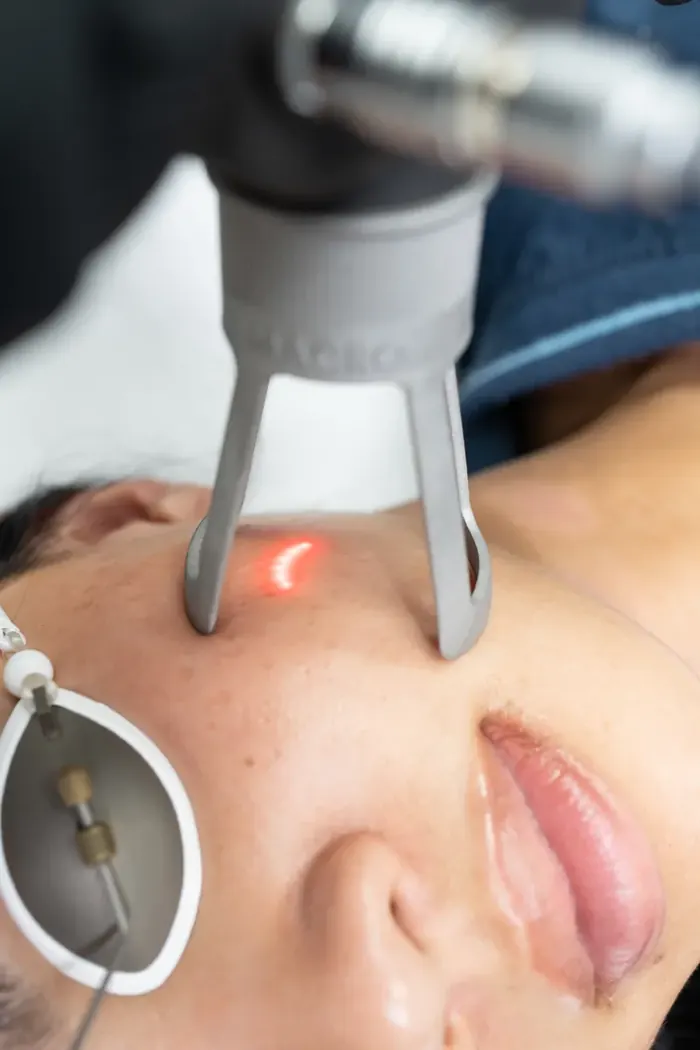
Selene Macro tip during a fractional CO₂ pass
Broader, shallower

Macro

A larger spot for more superficial work at higher density, so more surface is addressed per pass and less energy is driven into any one column.

Reach for it when the goal is tone and texture across an area rather than depth in one place.

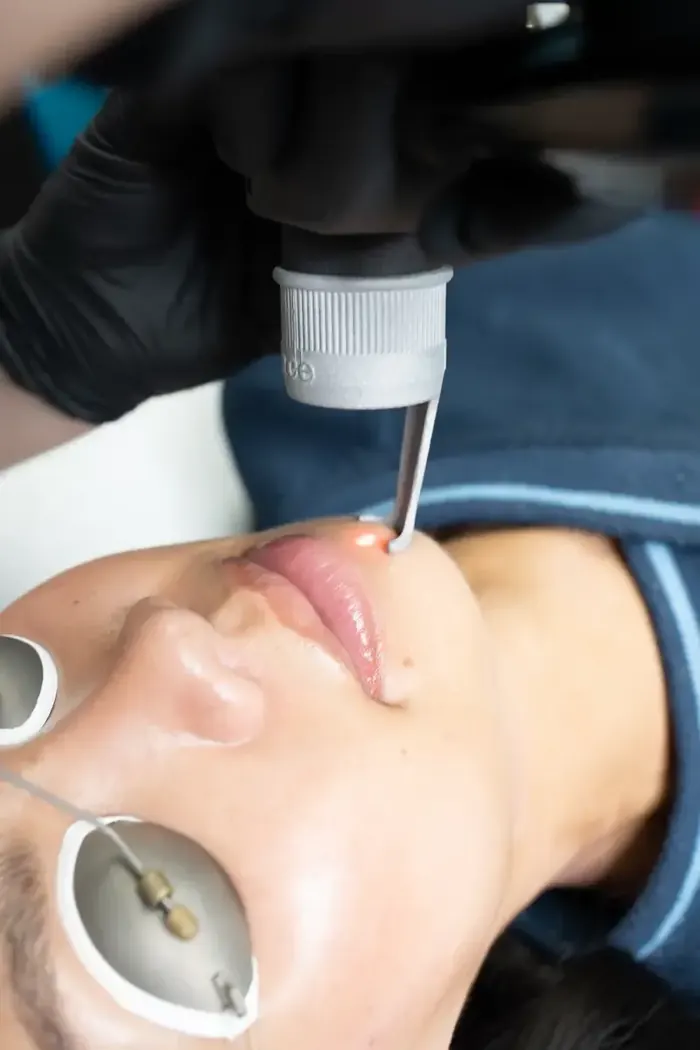
Selene Face tip treating the perioral area
Small areas

Face

The smallest scanning field of the four. For regions where a wider pattern would extend beyond the treatment area.

Reach for it when the area is tight and the margin matters more than the coverage rate.

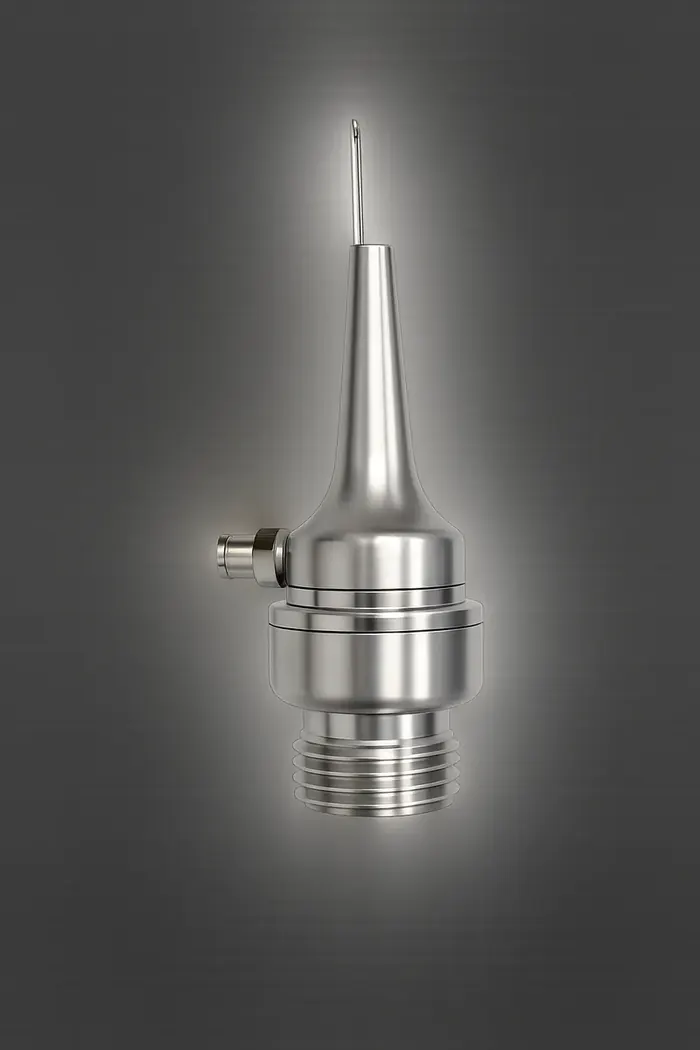
The Selene surgical scanning tip
Focused beam

Surgical

A focused tip for precision work rather than fractional resurfacing.

Reach for it when the procedure calls for cutting accuracy rather than a scanned pattern.

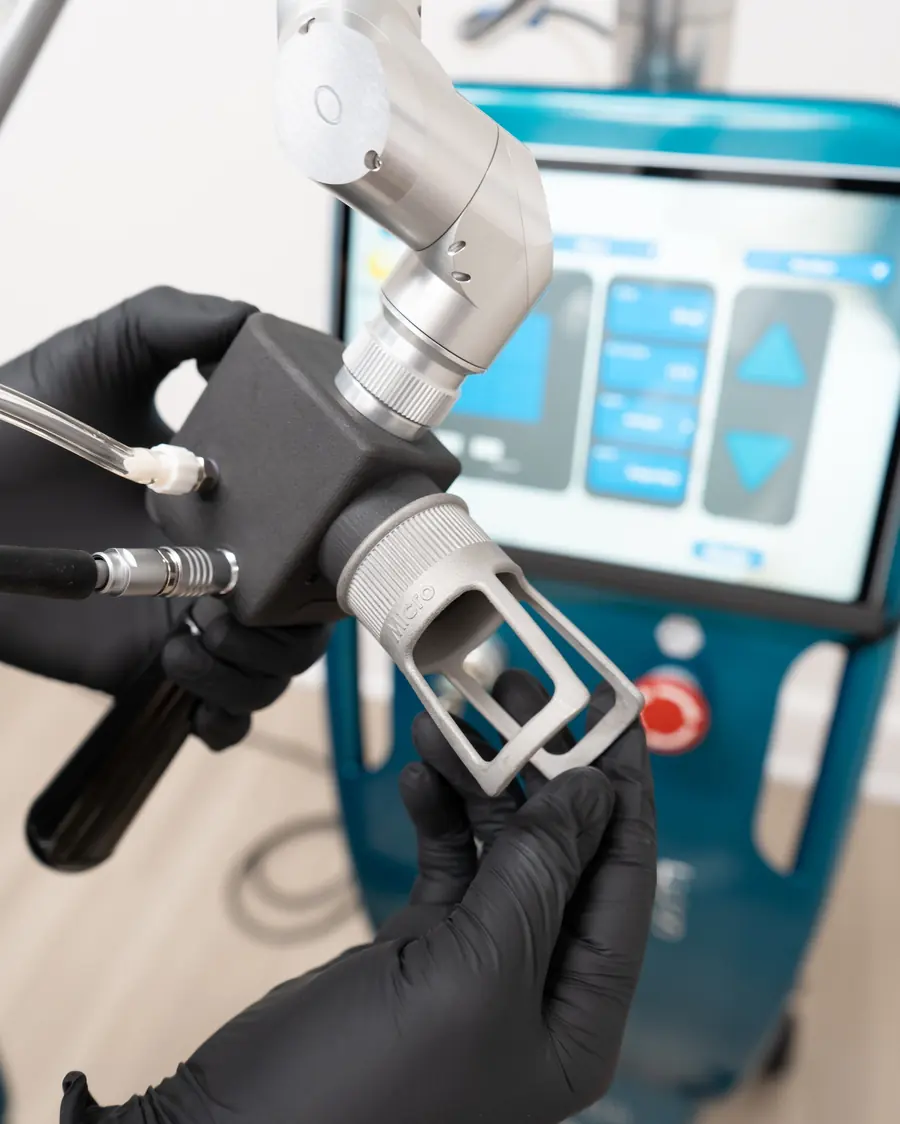
A gloved hand holding the Selene handpiece at the console
Tips change at the handpiece. Photography from a July 2026 clinical session.
Results

Photographs supplied by the treating provider

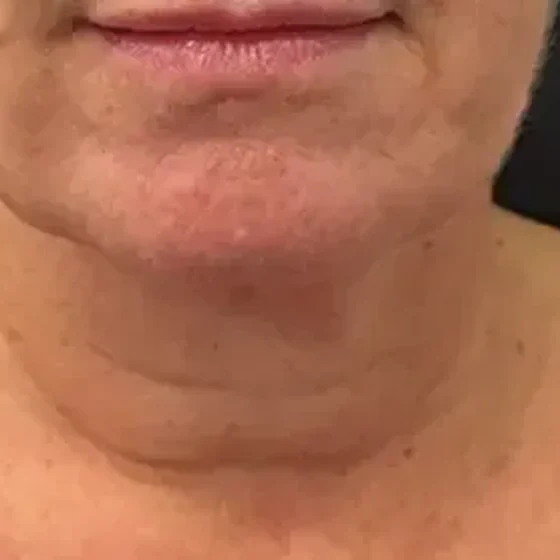
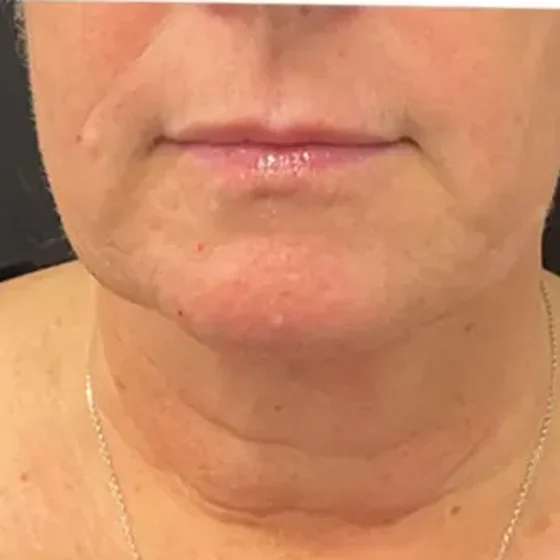
Lower face and neck, before and after Selene fractional CO2 treatment.

Lower face and neck before Selene fractional CO₂ laser treatmentBefore
Lower face and neck after Selene fractional CO₂ laser treatmentAfter
Individual treatment results may vary. Images are supplied by treating providers and are not a prediction of outcome for any particular patient. Ask your representative for the current instructions for use, indications and contraindications before planning a protocol.

Bring your own cases to the demo

Bring photographs of your own cases to the demo, including patients you have not been able to treat well with your current equipment, and we will work through them with you.

Clinical focus

Early fractional CO2 for immature surgical scars

Published studies support treating a surgical incision in its first month, while the scar is still remodeling, rather than resurfacing it after it has set.

Earlier treatment

For years the standard advice was to let a scar mature, often a year or more, before treating it. Multiple randomized split-scar studies have since started fractional CO2 treatment far earlier, at suture removal or two to three weeks after surgery, and reported better scar quality on the treated side, with acceptable safety in properly healed incisions.

Eligibility depends on healing

Across the published work, eligibility is anchored to a closed, re-epithelialized incision rather than to a fixed day; open, infected or poorly healing wounds are not candidates. In practice that puts the window at roughly suture removal through the first month, decided patient by patient by the treating clinician.

SurgeryIncision closed.
Suture removalRoughly one to two weeks. The earliest point at which any of the trials treated.
Weeks 2 to 3Where most of the split-scar studies made their first pass.
One monthThe pooled analysis found the largest reduction in scar severity inside this window.
Twelve monthsThe previous convention: wait for the scar to mature, then resurface.

What the human studies found

Shin et al., 2021 · Mastectomy and reconstruction
Significantly better scar scores, P=0.002

First treated two to three weeks after surgery, around suture removal. Randomized controlled split-scar design; treated scars had better Vancouver Scar Scale scores than untreated control.

Lee, Zheng & Roh, 2013 · Postoperative scars
Greater reduction in texture and thickness

Treated three weeks after surgery. Prospective split-scar study; greater scar-scale reduction and greater patient satisfaction on the treated side.

Sobanko et al., 2015 · Facial Mohs surgery
Treated on the day of suture removal

Randomized split-scar study; no laser-related adverse effects, and patients significantly preferred the treated half (P=0.002).

Shin et al., 2011 · Thyroidectomy incisions
12 of 23 patients improved by more than half

Treated two to three weeks after surgery. Significant scar-scale improvement from the early postoperative baseline.

Esmat et al., 2026 · Facial traumatic scars
Every timing group improved

Randomized to treatment immediately, two weeks, or four weeks after suture removal. The two-week group also showed favorable objective changes in epidermal thickness and scar depth.

Meta-analysis, 2025 · Pooled surgical-scar data
Mean difference −1.66 in scar severity

Beginning fractional CO2 at or within one month of surgery significantly reduced postoperative scar severity (95% CI −2.31 to −1.01).

The findings come from published human studies and meta-analyses of fractional CO2 devices as a category. They are not Selene clinical claims and not a statement of cleared indications, and published study parameters belong to the devices studied. Early-scar protocol guidance for Selene comes from our clinical team, matched to your tips and configuration. Ask about early scar protocols →

Specifications

At length

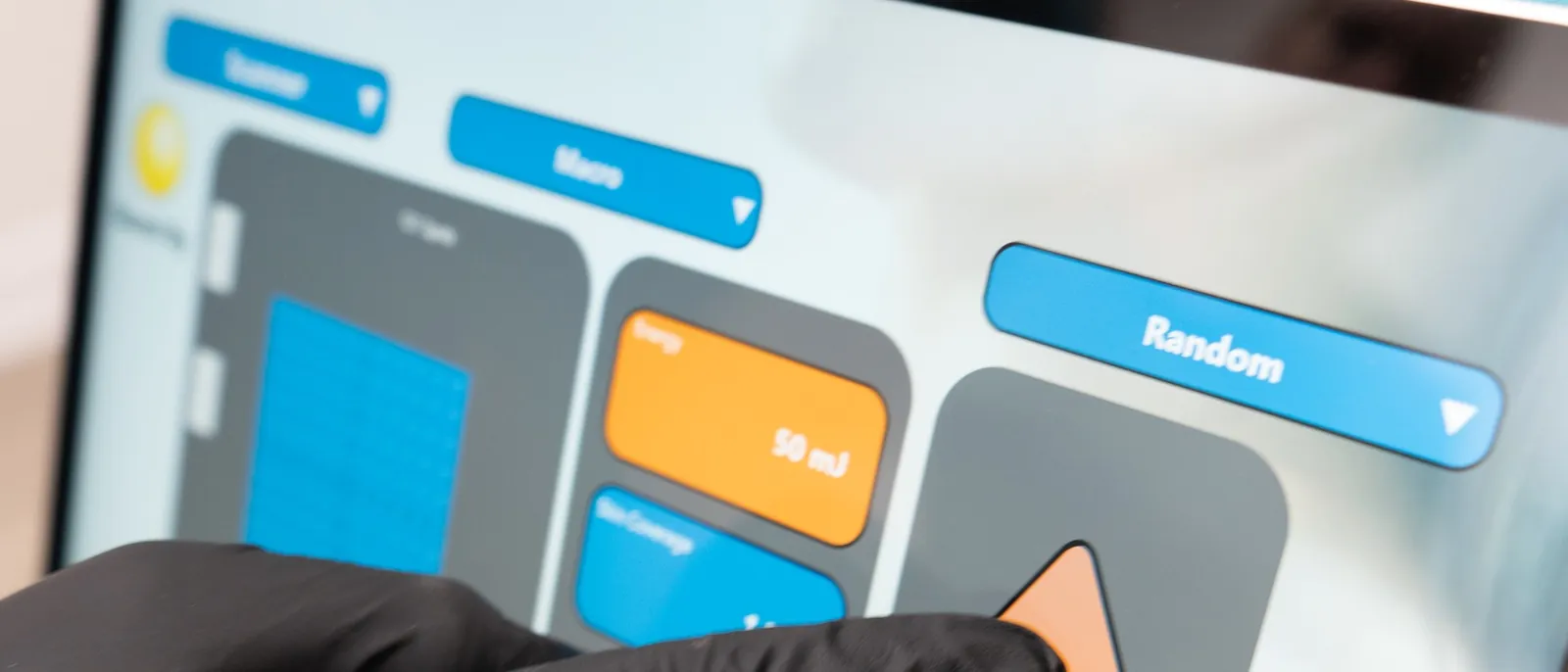
A gloved finger setting parameters on the Selene touchscreen
Pattern, treated area and energy are set independently at the touchscreen, so a protocol built for one region can be adjusted rather than rebuilt.
System
Laser sourceRadiofrequency-excited CO2
Wavelength10,600 nm
DeliveryFractional: energy divided into microbeams treating discrete micro-spots
Smallest micro-spot120 microns, approximately the width of a human hair
Energy controlFully adjustable per micro-spot
ScanningMultiple modes; treated area selectable independently of pattern and energy
Tips suppliedMicro · Macro · Face · Surgical, interchangeable at the handpiece
Beam deliveryArticulated arm
Form factorMobile cart; moves between treatment rooms
Manufacture & supply
ManufacturerFocus Medical, Bethel, Connecticut
Country of originUSA, with all critical parts made in the USA
Track recordThirty years building aesthetic laser platforms as an original equipment manufacturer
Sold and serviced byHyperion Medical Technologies, direct, with no distributor
InstallationSite survey, delivery, setup and calibration included
TrainingHands-on clinical training in your room, for the staff who will run it
ConsumablesTips, accessories and routine service items on a single account

Full technical specification, including electrical and site requirements, is supplied with every quotation. Ask for the current instructions for use before planning a protocol or a room.

Ownership

CO2 laser cost of ownership

Cost of ownership is best compared on an itemized quotation, line by line, plus how much of the machine is built to last its whole life.

Pricing

Prices in this category are not published. A Selene quotation is issued per configuration, because the tips you take, the training you need and the service term you choose all affect the price. The lines that belong on every fractional CO2 quotation are listed below, so you can compare ours against any other.

Most of it lasts the life of the machine

The four tips are metal, cleaned or autoclaved between patients and used again rather than thrown away. The laser tube is sealed and radiofrequency-excited, with no gas to refill; metal RF tubes are generally rated at 20,000 to 50,000 hours of use. The routine replacement item is the smoke evacuator filter.

The Selene by Focus badge on the laser cabinet
Four metal tipsCleaned or autoclaved and used again. Nothing is thrown away after a treatment.
Sealed RF tubeNo gas to refill. Rated across the category at 20,000 to 50,000 hours of use.
Air cooledNo chiller to buy, no water line to plumb, nothing to drain.
One routine partThe smoke evacuator filter is the routine replacement item.
Paid once: the system
Device and tipsQuoted per configuration, itemized line by line, so each item is visible and can be compared against other quotations.
InstallationSite survey, delivery, setup and calibration. Included with Selene.
TrainingHands-on clinical training in your own room, included.
Room and safetyClass IV signage, protective eyewear and, if you choose to fit one, a door interlock. Signage and eyewear are supplied with the system.
Paid once: the room
Plume extractionAblation produces smoke that can carry viable tissue particulate, so a medical grade smoke evacuator should be included in the budget.
Electrical100 to 240 V at a 10 A breaker, on a standard receptacle within about fifteen feet of the system. No three-phase and no plumbing. A dedicated circuit is recommended.
CoolingNothing to install. The tube is air cooled, so there is no chiller to buy and no water line to run. The heat still arrives in the room; the operator manual sizes the air conditioning against roughly 1,500 watts from the system.

Room, electrical and cooling requirements depend on your building, which is why a site survey comes before the invoice. Your own quotation is itemized: device, tips, consumables, installation, training and service, each on a separate line. Ask for an itemized quotation →

Support

What happens after the purchase order?

01

Site survey and install

We look at the room before the machine ships, then deliver, set up and calibrate it.

02

Clinical training

Hands-on, in your room, with the staff who will run the device.

03

Service, answered fast

The number on this page reaches Hyperion Medical, not a distributor, and a person picks up between 8:00 and 5:00 Central. Call outside those hours and you hear back first thing the next morning.

Documents

Supplied with the system

Provider documentation is issued with the device and on request. It is not published here because the current version depends on your configuration.

  • Instructions for useIndications, contraindications and full labeling for your configuration
    On request
  • Operator manualFocus Medical CO2 operating manual, US edition
    With system
  • Pre-treatment instructionsPatient preparation sheet for fractional CO2
    With system
  • Post-operative instructionsPatient aftercare sheet for fractional CO2
    With system
  • Consent formFractional CO2 skin resurfacing consent template
    With system
  • Treatment protocolsA library of ready-to-use clinical protocols, matched to your tips and configuration
    With system
  • Technical specification & quotationItemized: device, tips, consumables, training and service
    On request
FAQ

The questions we get on demos

Does it replace a full-field CO2 resurfacing laser?

For most of the work, yes. You treat a proportion of the surface per pass rather than all of it, and compensate with density and repeat sessions rather than a single deep wound.

Who can operate it?

That is set by your state's scope-of-practice and delegation rules, and it varies by state. Tell us the state and the staffing you have in mind and we will share what we have seen work. Confirm it with your own counsel or board.

What does the room need?

The system is on a mobile cart, so it moves between rooms. Beyond that, a Class IV laser room has requirements (access control, eyewear, signage and the right surfaces) that depend on your building. A site survey is part of installation and we will tell you what needs changing before you buy.

What are the consumables, and what do they cost to run?

Tips, accessories and the routine service items, on one account with us. No third-party minimum orders. Ask for the consumable schedule with your quote so the running cost is visible before you commit.

What happens if it breaks?

You call Hyperion Medical, not a distributor. Focus Medical has built aesthetic laser systems for thirty years, and service sits with the same people who sold you the machine.

What is the Lunchtime Peel?

A Selene treatment offering designed for patients who cannot schedule a week of downtime. Protocol, positioning and pricing guidance come from our clinical team, because they depend on the tips you hold and the patients you see. Call and ask.

Can we see one before we decide?

Yes, on-site or virtual, whichever suits. If there is a Selene running near you, we can arrange for you to see it in a working practice.